We Believe in the Extraordinary Potential of People

Organizations are shaped by the people who lead them, the relationships that connect them, and the environments that influence their work.  At stoked.live, we believe that understanding human behavior is essential to unlocking organizational potential.

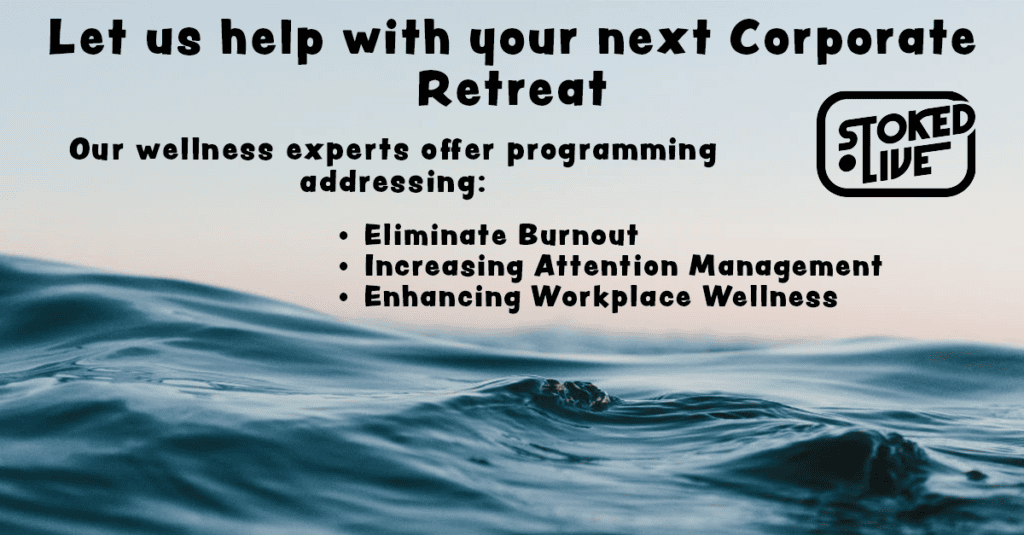
Our multidisciplinary team brings together expertise in psychology, behavioral science, leadership development, organizational consulting, and workplace wellbeing.  We work with leaders and employees to understand the challenges they face, strengthen the capabilities they need, and create conditions where people can contribute meaningfully and perform sustainably.

Our Mission

To strengthen employee effectiveness through science-informed leadership development, healthier organizational cultures, and sustainable human performance.

Our Approach

We begin by understanding the organization, its people, and the challenges affecting performance.

From there, we connect research with practical solutions—helping leaders build trust, teams collaborate more effectively, and employees develop the skills and resilience needed to thrive.

Our work is grounded in a simple belief:

When people have the clarity, connection, and capacity to do their best work, organizations become capable of extraordinary things.

Advancing Employee Effectiveness Through Doctoral-Level Expertise

Led by co-founders Dr. Jacob Engelskirger and Dr. Ian Kristic, stoked.live brings doctoral-level expertise in consulting and organizational psychology together with multidisciplinary health and wellness professionals to help organizations strengthen employee effectiveness.

Our human-centered, science-backed approach helps organizations develop leaders who inspire trust, build psychologically safe cultures where teams collaborate effectively, and equip employees with the resilience and focus needed for sustainable performance. By identifying barriers to effectiveness and applying targeted strategies, we help organizations improve communication, navigate change, reduce workplace friction, and align their people around shared goals.

The result: stronger leadership, healthier workplace cultures, more effective employees, and organizations better equipped to achieve their goals.